“I use Byrdseed TV to differentiate for my clustered students. I LOVE all the ideas!” ~ a teacher in Washington
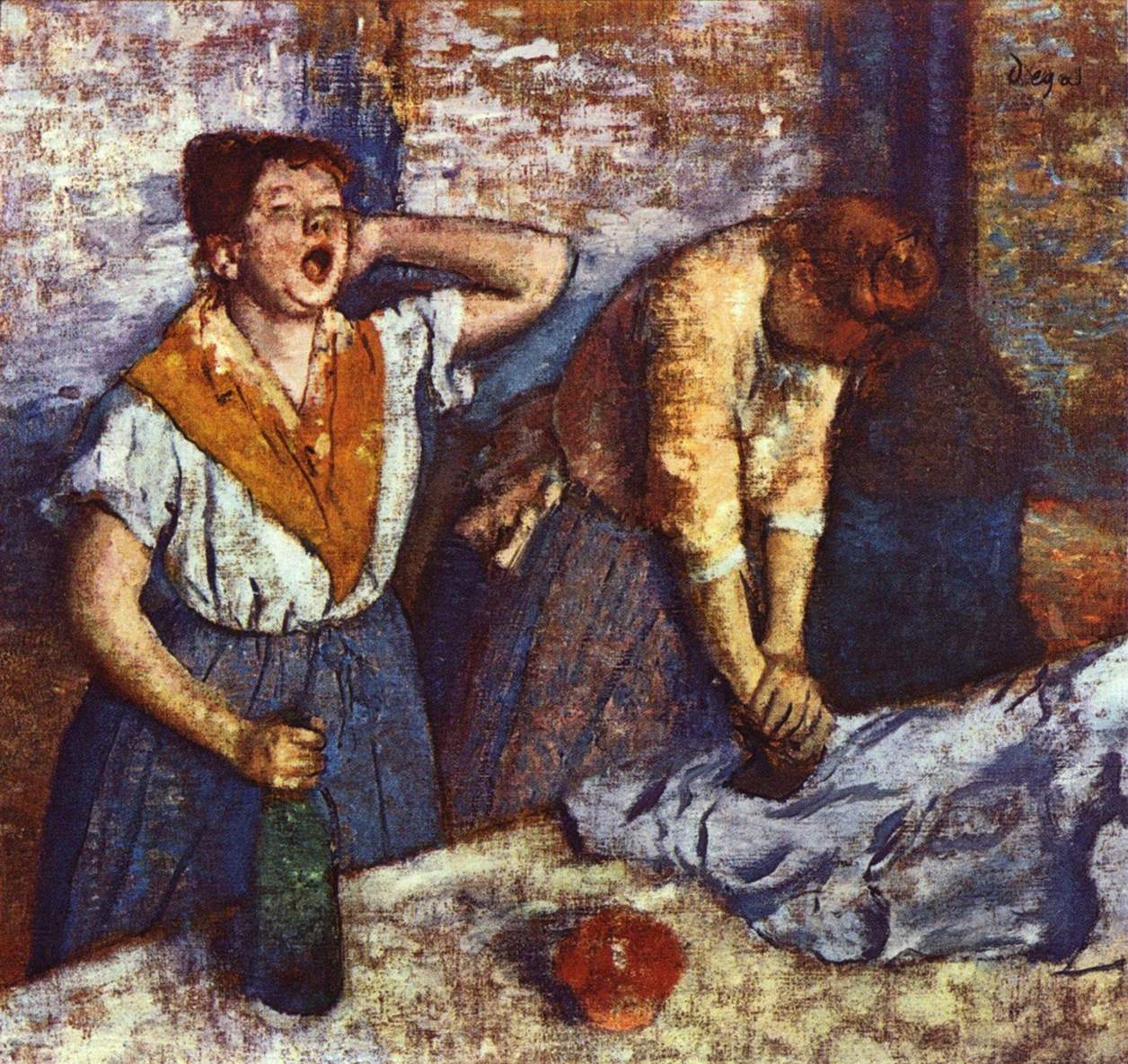
Students will compare two paintings, form a big idea, then identify a creator with a similar style.
Students begin by simply noticing details in this painting of two women.
Students compare two artworks, noting similarities in style and the portrayal of women in each piece.
Students compare two artworks, identify similarities in style and perspective, and summarize their observations about the artist’s themes.
Students think of another creator who matches their big idea, even if that creator’s work is very different.
Students will make several inferences based on the details in this painting.
First, we just notice details in the painting.
Then, students will make three inferences – one must be about what this man’s job is.
Students infer the poet’s emotions and surroundings by analyzing the painting’s details and imagining the poem he writes.
Students will make inferences about this piece of art, back it up with evidence, and then adjust their inference based on new information.
First, students will simply note interesting details about this painting.
Next, they’ll try to make an inference about what is going on in this scene.
Students discuss details and background knowledge to refine their inferences about the scene in the painting.
Students will make inferences about this Vermeer painting, back it up with evidence, and then adjust their inference based on new information.
Students will notice details about the painting.
They’ll back up my inference that one woman is a servant to the other.
They make an inference about what that thing is in the seated woman’s hand.
Finally, after learning the piece’s title, students will make a final inference about what could be going on here.